
Helping children find the words, and understand them too.
Support for building the language skills children need to learn, communicate and thrive at school and beyond.
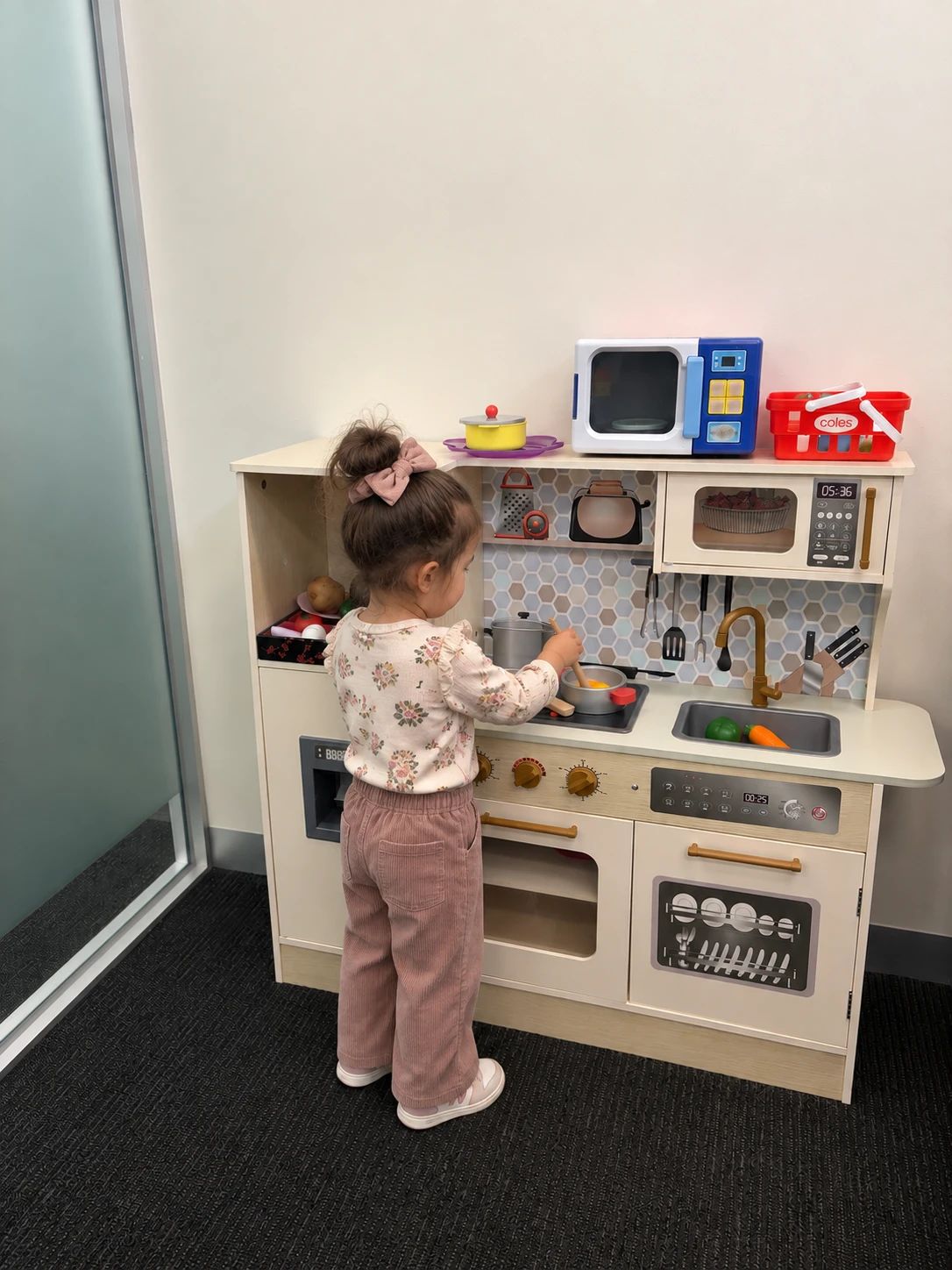
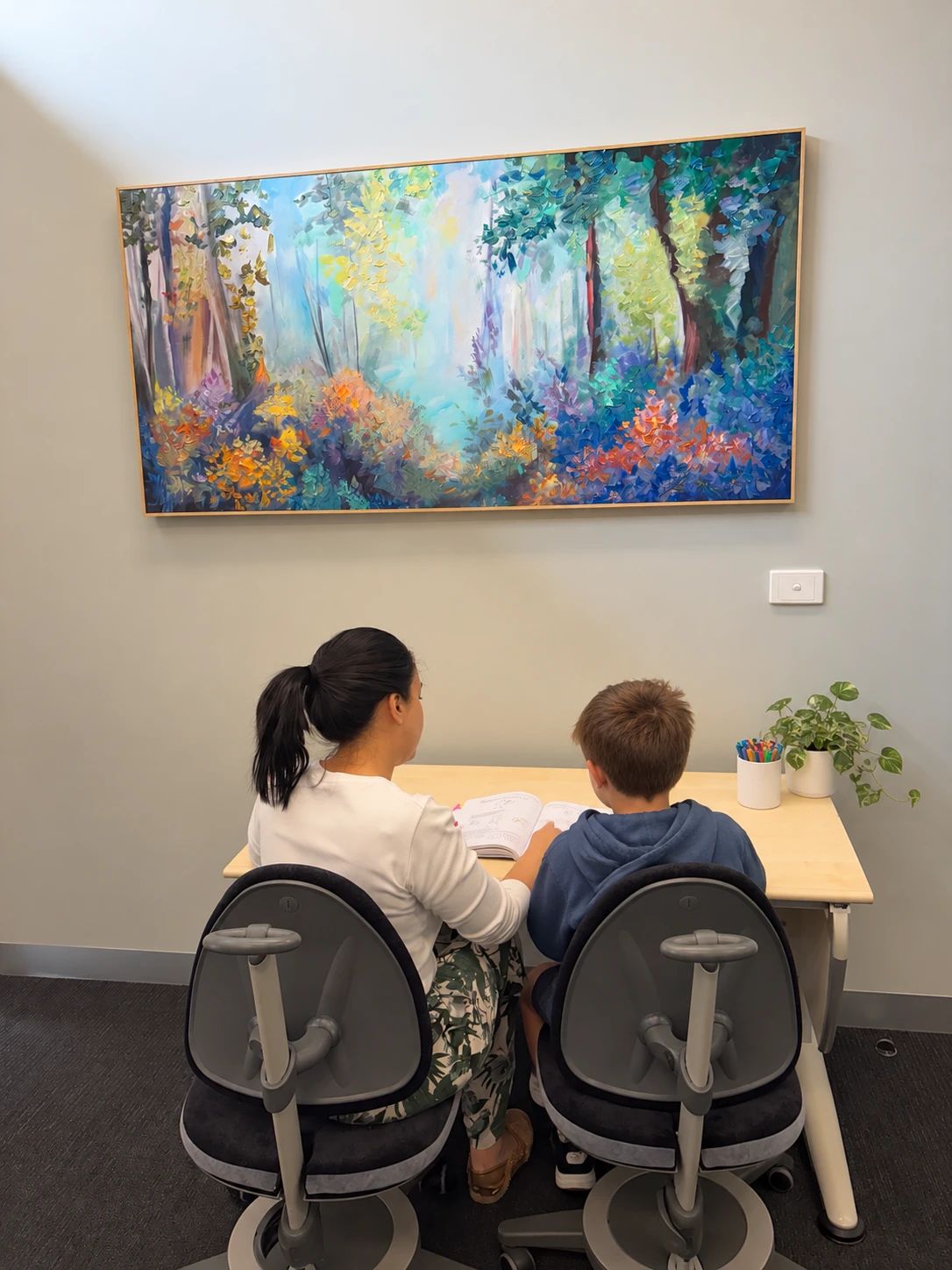
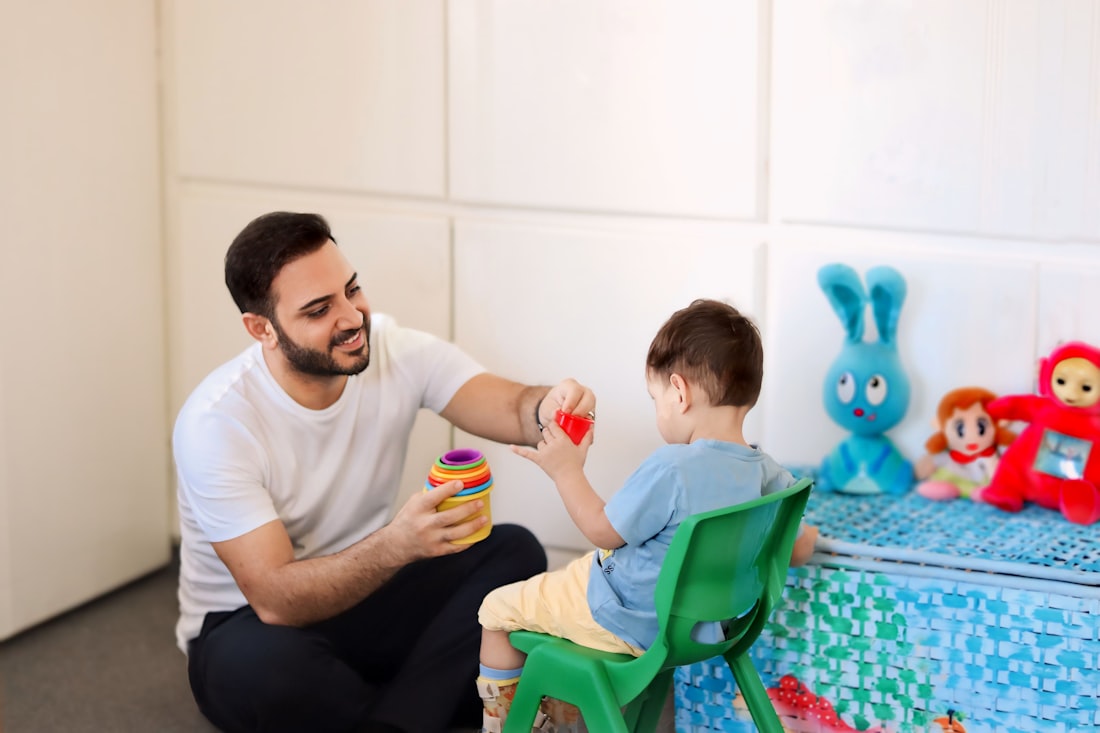
Language is how children make sense of their world
Language has two sides.
- Receptive language is how children take in and understand the words, instructions and questions around them. It's what happens when a child listens to a story, follows a direction, or works out what a question is really asking.
- Expressive language is how children put their own thoughts into words, from naming objects to building sentences, telling stories and explaining their ideas clearly.
When either side is out of step, it can quietly affect how a child learns, behaves and feels about themselves. The good news is that both can be strengthened with the right support.
Language difficulties don't always look obvious. Sometimes they show up as frustration, avoidance, or trouble keeping up at school.
When language support can help
Children develop at different rates, but you might consider an assessment if you notice some of these.
Understanding
Trouble following instructions, answering questions, or understanding stories and concepts.
Expressing ideas
Short or jumbled sentences, word finding difficulty, or struggling to explain things clearly.
Vocabulary & grammar
A smaller vocabulary than peers, or persistent grammar errors in speech and writing.
Following directions
Difficulty understanding multi-step instructions, or needing things repeated or simplified to keep up.
Word structure
Confusing tenses, pronouns or sentence structure (for example, saying "he goed" or "her did it").
Narrative & sequencing
Finding it hard to retell events or stories in a clear, ordered way that others can follow.
Strengthening language, step by step
We assess receptive and expressive language, identify the specific skills to target, and build them through engaging, practical activities tied to your child's everyday life.
Pinpoint the specifics
A thorough assessment shows exactly which areas of language need support, so therapy is targeted, not guesswork.
Build understanding first
We make sure your child understands language well, since comprehension underpins expression, learning and behaviour.
Grow expression
We expand vocabulary, sentence structure and storytelling, giving your child the tools to share what's in their head.
Put it into practice
We connect new language skills to reading, writing, classroom tasks and the conversations children have every day.
Questions families often ask
What's the difference between a speech delay and a language difficulty?
Could a language difficulty affect my child at school?
My child talks a lot but doesn't always make sense. Is that a language issue?
How do receptive and expressive difficulties present differently?
Let's support your child's language
If your child finds understanding or expressing language tricky, we can help. Send us an enquiry to get started.
Make an enquiry
We'll get back to you as soon as we can.