
Building strong readers and writers.
Reading, spelling and writing support using structured, evidence based literacy approaches, helping children who find literacy hard to build the skills and confidence to succeed.
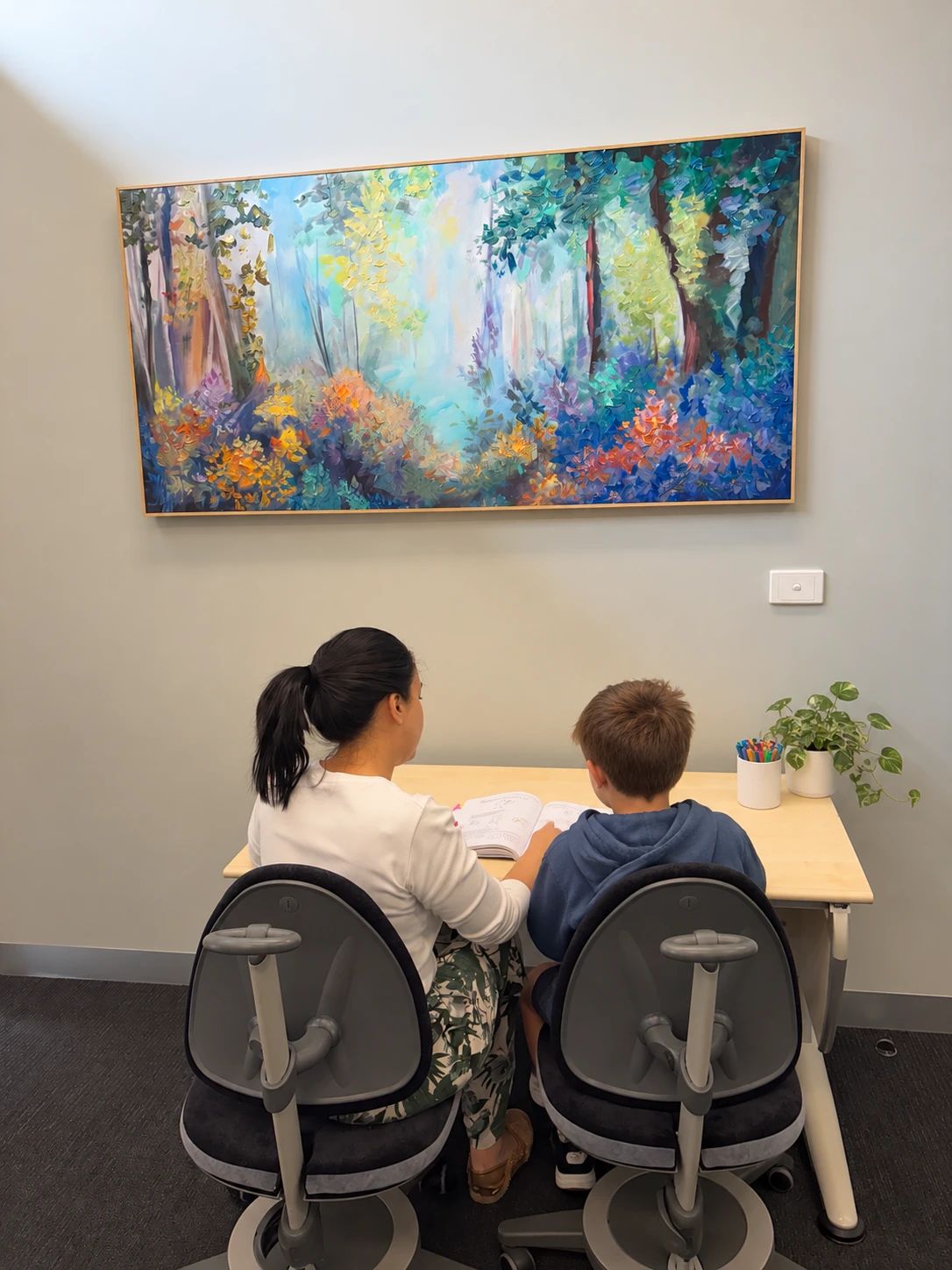
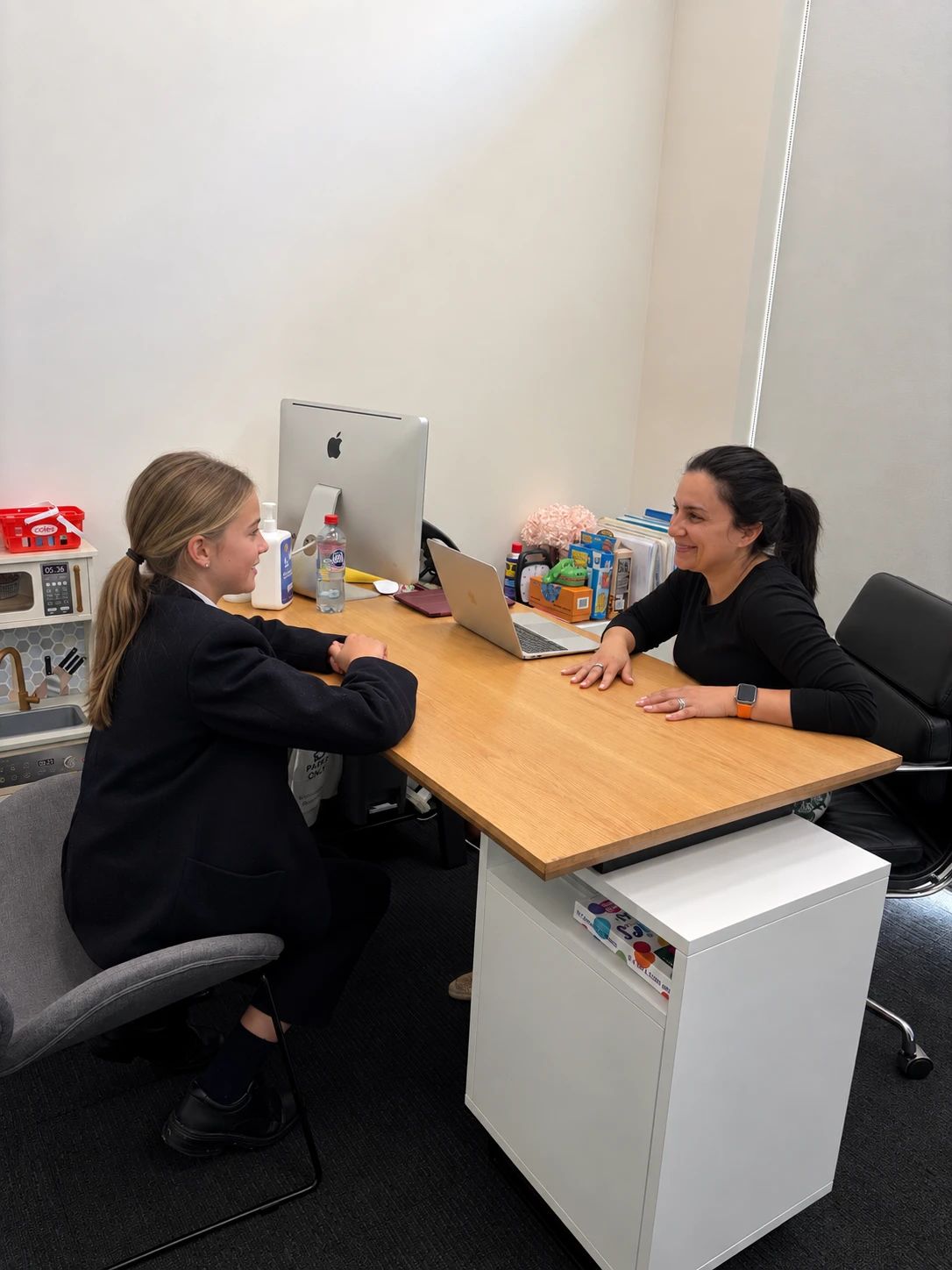
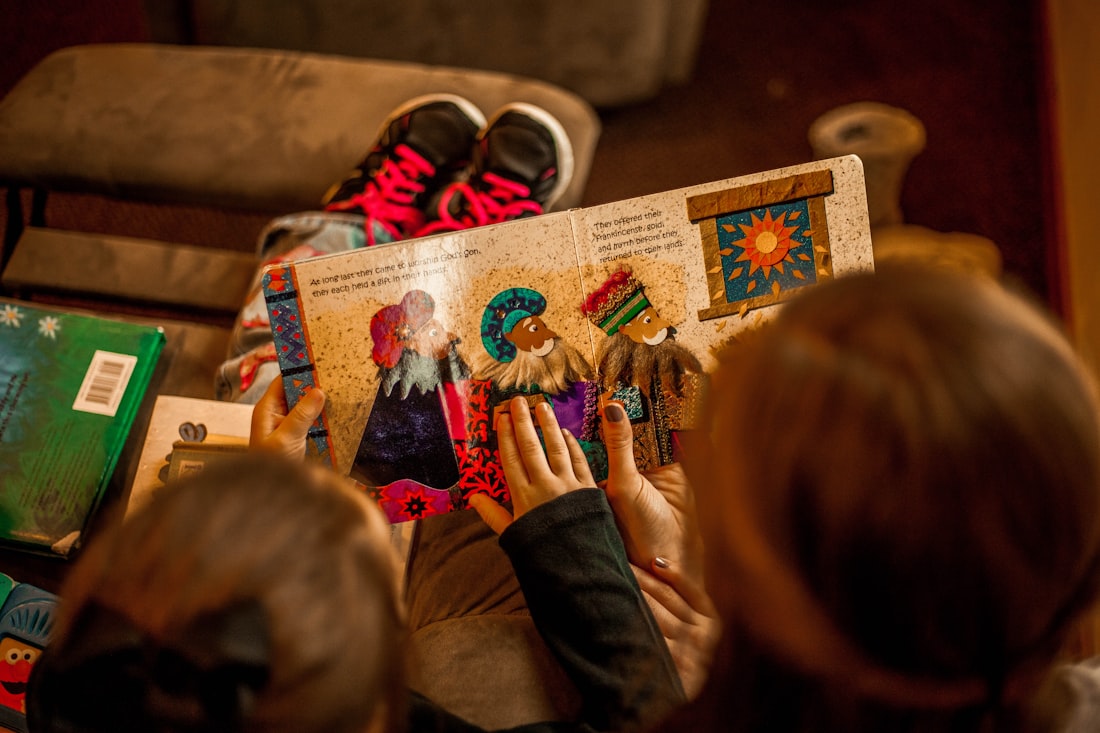
Why a speech pathologist for literacy?
Reading and spelling are built on spoken language. Skills like hearing and manipulating the sounds in words, phonological awareness, are the foundation of learning to read. That's why speech pathologists are well placed to assess and support literacy.
Some children find literacy much harder than expected, despite good teaching and effort. They may struggle to sound out words, read slowly or inaccurately, find spelling difficult, or avoid reading and writing altogether. For some, this reflects a specific learning difficulty such as Specific Learning Disorder in Reading (formerly referred to as Dyslexia).
We use structured literacy, an explicit, systematic, evidence based approach. Rather than guessing words from pictures or context, children are taught the code of written language directly, building reliable, lasting skills.
When literacy support can help
You might consider an assessment if your child shows some of these signs at school or home.
Sounding out
Difficulty blending sounds to read words, or relying on guessing from pictures.
Reading accuracy & speed
Reading that is slow, effortful or inaccurate compared with peers.
Spelling
Persistent spelling difficulty, or spelling the same word different ways.
Sound awareness
Trouble hearing rhymes, or breaking words into and blending individual sounds.
Avoidance
Avoiding, resisting or becoming upset about reading and writing tasks.
Comprehension
Understanding less of what they read, even when they can decode the words.
A family history of reading or spelling difficulty, or a history of speech and language delay, can increase the likelihood a child will need literacy support.
Structured literacy that works
We assess the building blocks of literacy, identify exactly where the gaps are, and teach the missing skills explicitly and systematically, so reading and spelling become reliable.
Assess the foundations
We test phonological awareness, decoding, spelling and comprehension to find precisely where to start.
Teach the code explicitly
Using structured literacy, we teach letter sound relationships systematically, no guessing, just clear, cumulative learning.
Build fluency and meaning
As decoding becomes automatic, we develop reading fluency and comprehension so children read for understanding.
Strengthen spelling and writing
We apply the same systematic approach to spelling and written expression, supporting success across the curriculum.
Questions families often ask
Don't schools teach reading? Why see a speech pathologist?
Can you diagnose dyslexia?
What is structured literacy?
My child is bright but can't read well. Is that common?
Is your child finding reading hard?
If reading, spelling or writing is a struggle, a literacy assessment is a powerful first step. Get in touch to find out how we can help.
Make an enquiry
We'll get back to you as soon as we can.