
Helping children connect, read the room and be understood.
Support for the unwritten rules of communication: the skills that help children navigate friendships, conversations and the social world around them.
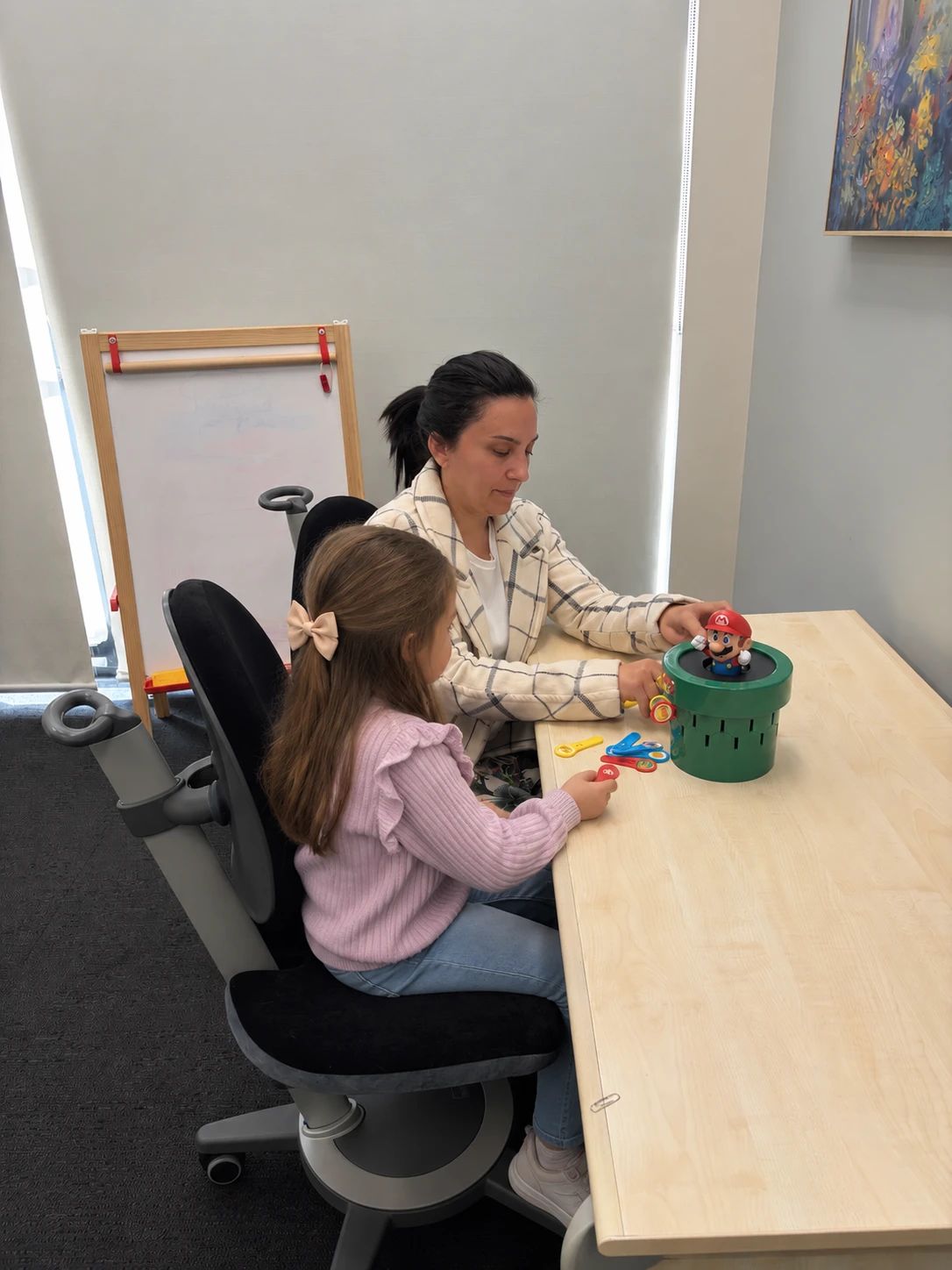
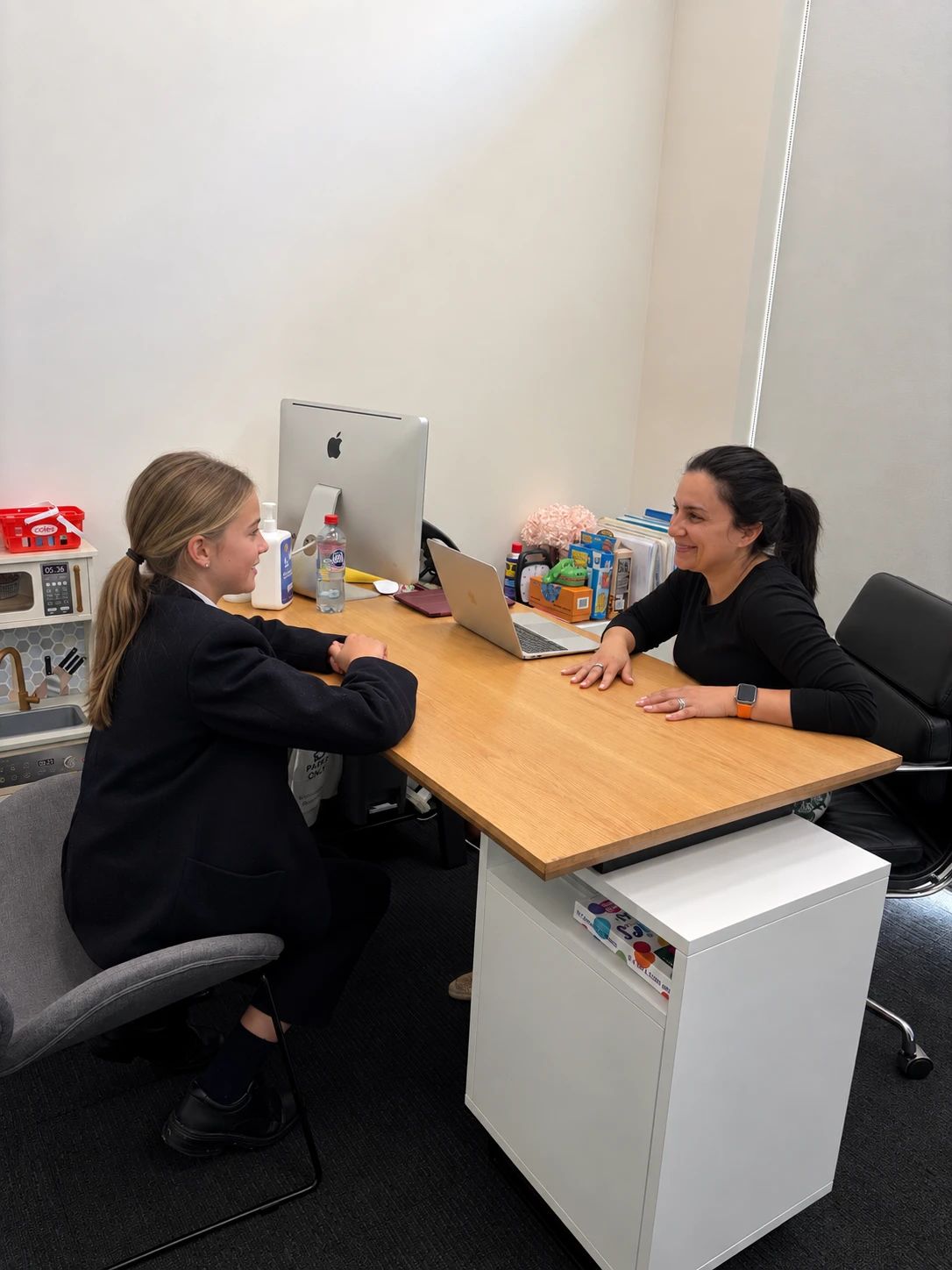
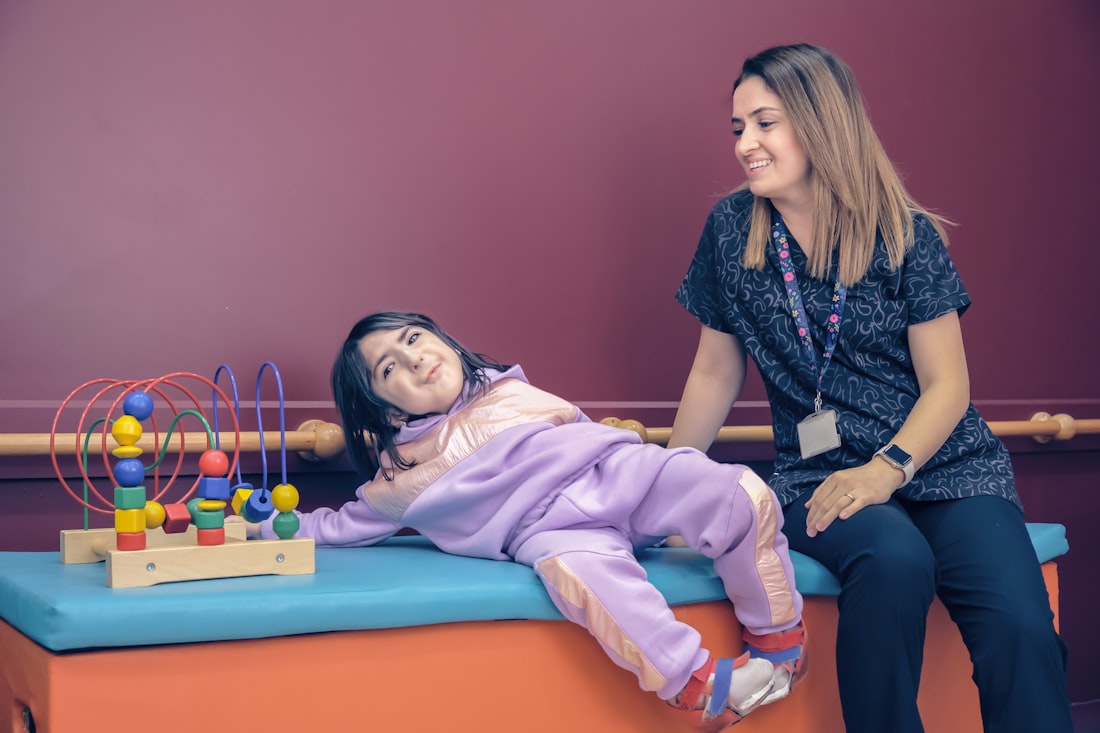
Social communication is how children use language with other people
Knowing the words is only part of the picture. Social communication is what happens in the space between people: the back and forth of a conversation, the look on someone's face, the joke that lands (or doesn't), and the moment you realise someone means something different from what they said.
Some children find these skills come naturally. Others need a little help learning the unwritten rules and that's completely okay. With the right support, these skills can be taught, practised and built into everyday life.
Difficulties in this area can affect friendships, classroom participation and how confident a child feels in social situations.
Social communication difficulties don't always look like shyness. Sometimes they show up as misread situations, unexpected reactions, or trouble fitting in with peers.
When social communication support can help
Children develop at different rates, but you might consider an assessment if you notice some of these.
Reciprocal conversation
Difficulty with the back-and-forth of conversation, e.g., taking turns, staying on topic, or knowing when to jump in or hold back.
Inferencing
Struggling to fill in the gaps, e.g., working out what might happen next, why someone reacted a certain way, or what isn't being said out loud.
Social cues & clues
Missing facial expressions, body language, tone of voice or situational clues that others seem to pick up without thinking.
Sarcasm & humour
Taking things very literally, or finding it hard to tell when someone is joking, being sarcastic, or saying one thing but meaning another.
Reading between the lines
Difficulty working out what someone really means, e.g., whether that's a hint, a polite way of saying no, or the feeling behind the words.
Friendships
Wanting more confidence and skills to start conversations, keep them going and build connections with peers.
Building social communication, one interaction at a time
We look at how your child navigates real social situations, identify where the gaps are, and work on the specific skills that make connection feel a little easier.
Understand the whole picture
We look at how your child communicates in context. Not just what they say, but how they read and respond to the people around them.
Teach the unwritten rules
We make the invisible visible, helping children understand what's expected in different social situations and why.
Practise real interactions
Through role play, games and structured conversation, we build the skills children need to navigate friendships, classrooms and everyday life.
Build confidence
We help children feel more sure of themselves in social situations, so connection feels less stressful and more natural.
Questions families often ask
Is social communication the same as social skills training?
My child has good language but still struggles socially. What's going on?
Can social communication difficulties be linked to anxiety?
How is this different from what's taught at school?
Let's support your child's social communication
If conversations, friendships or social situations feel tricky for your child, we can help. Send us an enquiry to get started.
Make an enquiry
We'll get back to you as soon as we can.